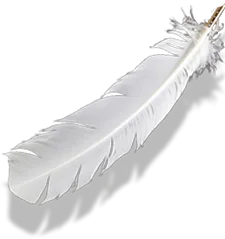
Use Similes to Make a Description More Precise

Posted on: 22-09-2026 Writing
What Is a Simile? Meaning, Types, and Examples to Improve Your Writing

A simile makes an explicit comparison, often using “like” or “as.” It can help readers understand a movement, sensation, or emotion by connecting it with something recognizable. The comparison should identify a shared quality. Similar-looking things are not always similar in the way a scene needs.

Choose what the reader should notice

“The door closed like a dropped book” points toward weight and sound. “The door closed like a curtain” suggests a quieter, smoother movement. The subject is the same, but the comparison changes the experience. Decide which quality matters before searching for an image.

Make the point of comparison understandable

A simile does not have to explain itself at length, but readers need a reason to connect its parts. An unusual comparison can be effective when the shared sensation is clear. If readers spend more time solving the image than experiencing the scene, the sentence may need a simpler connection.

Let the narrator supply the vocabulary

A comparison can reveal the person making it. A musician might notice rhythm; a cook might notice texture; a traveler might notice distance. This can make descriptive language contribute to characterization. Avoid giving every viewpoint the same set of elaborate images.

Be cautious with familiar comparisons

An established phrase can communicate quickly, especially in dialogue, but it may also feel automatic. Consider whether the phrase adds a fresh observation or merely fills a space. Replace it with a detail from the actual setting when that detail produces a more specific effect.

Use fewer comparisons when the action is urgent

A long image can slow a scene. In moments of danger or rapid decision, a short comparison may be more effective than a carefully developed one. During revision, check both accuracy and pace: the sentence needs to fit the event as well as describe it.

Put It Into Practice

Describe the same sound with three similes: one comforting, one comic, and one threatening. Notice how the choice of comparison changes the mood.
Frequently Asked Questions

A simile is a comparison between two different things using the words "like" or "as." It's a way of describing one thing by linking it to something else the reader already understands, so the description lands with more force than a plain description would.
A simile uses "like" or "as" and states the comparison openly, so the reader notices it happening. A metaphor drops those words and simply says one thing is another thing, folding the comparison directly into the sentence rather than announcing it.
"The fog came in like a slow grey wave," "her voice was like honey," and "he was as fast as a rumour through a small town" are all simple, sensory examples. The strongest ones are always specific rather than generic, built from a genuine image rather than a stock phrase.
Simple, extended, epic (or Homeric), and implied. Simple similes make one quick point. Extended similes develop the comparison across several sentences. Epic similes stretch across many lines in a grand, sustained image. Implied similes suggest the comparison without ever using "like" or "as."
Ask a single question of every comparison you write: have I heard this before? If yes, cut it and rebuild the image from a genuinely sensory detail, what the thing actually looks, sounds, feels, smells or tastes like, rather than reaching for the first familiar phrase.
No. They're different tools with different effects. A simile keeps the reader aware that two things are being compared rather than fully identified, which can be more precise and more honest than a metaphor, especially when the comparison is only partial.
Yes. An extended or epic simile that runs on past the moment it's earning will start to feel indulgent rather than powerful. Save the longer forms for scenes that genuinely carry that much emotional weight, and default to a short, simple simile everywhere else.

Dr Amelia Grant

Dr Amelia Grant writes for InkStone Publisher on publishing strategy, manuscript craft, and the realities of bringing a book to market in the United States. Her work focuses on practical, author-first guidance you can actually use.

InkStone Publisher

Transform Your Vision
into a Published Work

Use our full publishing help to make your ideas a reality. We assist you in transforming your idea into a gorgeously published book that readers will adore, from concept to finished copy.

  • Trusted By Authors WorldWide
  • Exceptional Success Rate
  • Satisfaction Guaranteed
  • Personalized Guidance And Support
  • Get Up To 40% OFF Today
InkStone Publisher
+

Get a Free Consultation