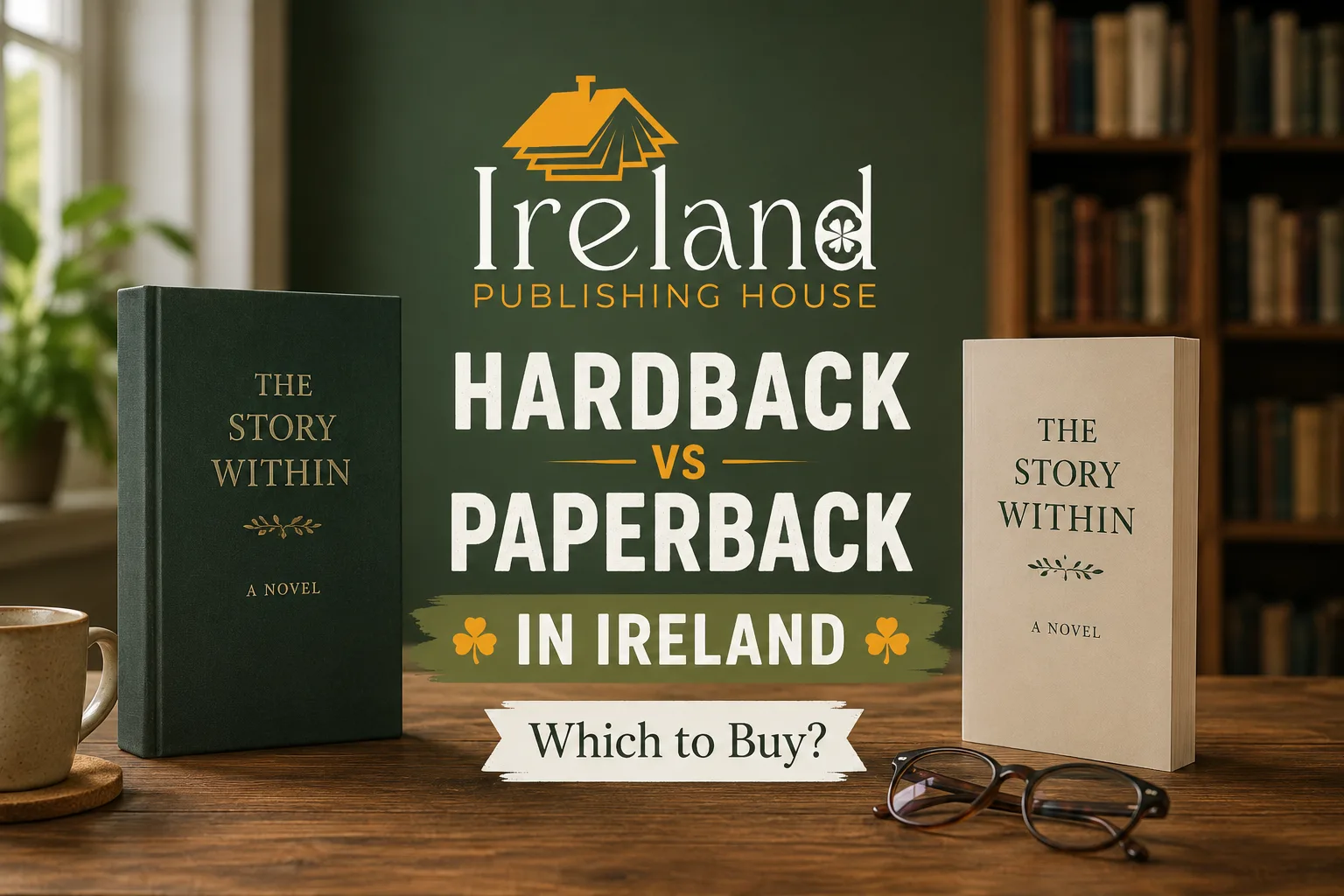
Binding is a practical decision as well as a visual one. Hardcover and paperback editions can serve different audiences, uses, and production plans. Compare the reading experience, durability, specifications, and cost of the actual options available for your book rather than assuming one format is always better.
Think about how the book will be used
A reader carrying a novel during a commute may value portability. A heavily used reference book or gift edition may call for a different physical presentation. Consider where the book will live, how often it will be handled, and whether the format supports the content.
Compare complete specifications
Paper, trim size, color, cover treatment, and binding work together. A binding label alone does not tell you how a finished book will feel. Ask the printer for the relevant options and examine samples or proofs where available. Use the same specifications when comparing estimates.
Account for the production files
Different bindings may require different cover templates or other adjustments. Page count and paper affect spine dimensions, while a change in trim size can alter the interior. Finalize the specifications before approving production artwork for each edition.
Plan the quantity and delivery route
Printing method, order size, shipping, and storage affect the practical decision. A format that suits a large event order may not be the most suitable first edition for a different release plan. Discuss the options using expected demand and your actual delivery needs.
Consider a staged format plan
You do not need to launch every edition at once. One format can establish a production baseline while another is prepared later. Keep the text, edition information, rights, and retailer records consistent as the plan grows.
Put It Into Practice
List your readers’ likely uses for the book. Rank portability, durability, visual presentation, and production cost before requesting a binding estimate.