Protagonist and Antagonist: Understand the Forces Driving Your Story

Posted on: 11-09-2026 Writing
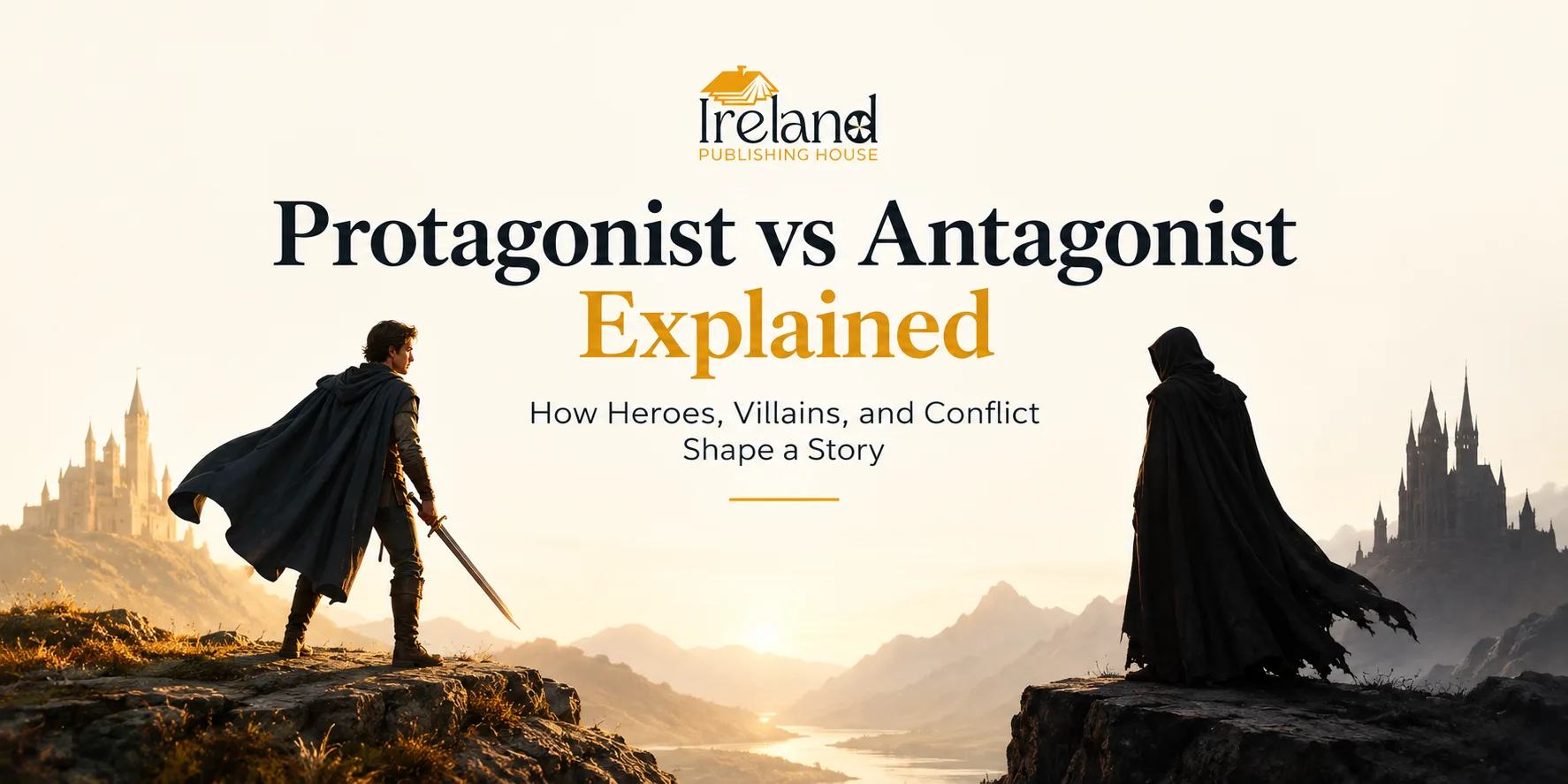
Protagonist vs Antagonist Explained: How Heroes, Villains, and Conflict Shape a Story

The protagonist is the character whose pursuit organizes the story. An antagonist opposes that pursuit or creates pressure against it. These roles are about narrative function, not a simple division between a good person and a bad person. Understanding the conflict makes character and plot decisions more purposeful.

Give the protagonist a goal with consequences

A character needs more than a personality to drive a story. What do they want, what will they attempt, and why does the outcome matter? The goal may change as the character learns, but their decisions should affect what happens. A protagonist who only observes can leave the narrative without a strong direction.

Make the opposition specific

An opposing character, institution, environment, or inner conflict can create obstacles. Identify how that force interferes with the protagonist’s choices. General difficulty is less useful than a concrete source of pressure with limits, consequences, and a reason it cannot simply be ignored.

Give an opposing character a credible motive

An antagonist does not need to be sympathetic, but their actions should make sense within the story. They may value something the protagonist threatens, pursue a competing goal, or act from a mistaken belief. A coherent motive gives conflict more depth than hostility without a cause.

Let the conflict expose character

Obstacles reveal priorities. A protagonist may discover what they are willing to sacrifice; an antagonist may reveal the boundary they refuse to respect. Build scenes in which choices have costs. The conflict can then develop both people rather than functioning only as a sequence of interruptions.

Resolve the central pressure deliberately

The ending should address the conflict the story has made important, even if it does not solve every problem. The protagonist’s final choice can express how they have changed or why they cannot change. Check that the resolution follows from established actions rather than an unrelated rescue.

Put It Into Practice

Write the protagonist’s goal and the opposing force’s goal in one sentence each. Then design a scene in which both pursue those goals at the same time.
Frequently Asked Questions

No. The protagonist is the main character who drives the story by pursuing a goal. A hero is a protagonist with heroic qualities. An antihero is a protagonist without them. The role is about function, not morality.
No. The antagonist is the force that opposes the protagonist's goal. A villain is an antagonist with harmful intent, but a loving parent, a natural disaster, or the protagonist's own fear can all serve as an antagonist without being evil.
An antagonist is whatever or whoever stands between your protagonist and what they want. That opposition can come from a person, an institution, nature, or the protagonist's own flaws, and it doesn't require malice to count.
Yes. Many stories use multiple antagonists, ally-antagonists, or shifting opposition across their length. The key is giving each antagonist a clear goal that opposes the protagonist's goal in its own distinct way, rather than letting them blur together.
Yes. A protagonist's inner flaw, whether that's fear, addiction, pride, or self-doubt, can act as the opposing force in the story. This is especially common in literary fiction and other character-driven work.
Let the protagonist fail or lose sometimes. Give the antagonist a goal that directly opposes the protagonist's goal, and raise the stakes with every confrontation. A genuine threat has to cost the protagonist something real, not just something inconvenient.
Antagonist describes a role in the story's structure: whoever opposes the protagonist's goal. Villain describes a moral quality: someone acting with harmful or wicked intent. Every villain who opposes the lead character is technically an antagonist, but plenty of antagonists are never villains at all.

Dr Amelia Grant

Dr Amelia Grant writes for InkStone Publisher on publishing strategy, manuscript craft, and the realities of bringing a book to market in the United States. Her work focuses on practical, author-first guidance you can actually use.

InkStone Publisher

Transform Your Vision
into a Published Work

Use our full publishing help to make your ideas a reality. We assist you in transforming your idea into a gorgeously published book that readers will adore, from concept to finished copy.

  • Trusted By Authors WorldWide
  • Exceptional Success Rate
  • Satisfaction Guaranteed
  • Personalized Guidance And Support
  • Get Up To 40% OFF Today
InkStone Publisher
+

Get a Free Consultation