Choosing a Novel’s Genre Without Limiting Its Possibilities

Posted on: 22-07-2026 Writing
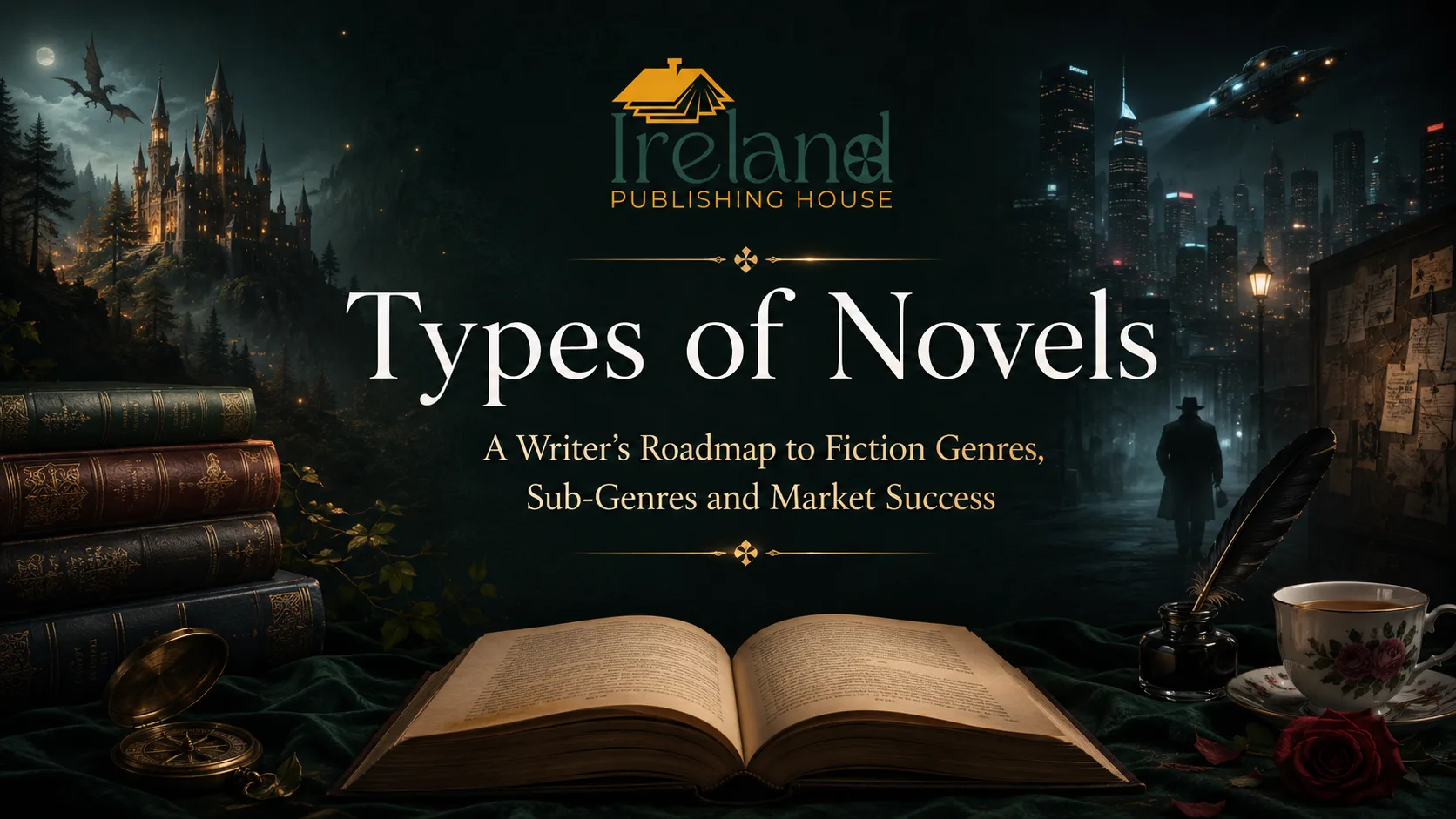
Types of Novels: A Writer's Roadmap to Fiction Genres, Sub-Genres and Market Success

Genre helps readers understand the kind of experience a book offers. It can also help an author decide which expectations matter during development and presentation. A novel can combine elements, but its description and positioning still need a clear center. Start with the experience the story is built to deliver.

Identify the main source of interest

A mystery may organize its movement around discovering an answer; a thriller may emphasize sustained pressure and danger. A romance centers a developing relationship within the expectations of that category. Ask what readers are waiting to learn, experience, or see resolved.

Consider the setting and imaginative rules

Fantasy and science fiction can create different relationships with the familiar world, while historical fiction asks readers to enter another time. The setting is more than decoration when its rules affect the choices available to characters. A clear frame helps the reader understand the story’s possibilities.

Think about audience alongside genre

An age category is not interchangeable with a genre. A mystery for younger readers and one for adults can share an investigation while differing in voice, content, length, and presentation. Define who the book is for before assuming that a genre label answers every publishing question.

Describe a crossover through its dominant promise

A story can include humor, a romantic subplot, or speculative elements without giving each equal weight in its positioning. Decide which promise is essential to the book. Comparable titles can help explain the combination, but should be selected for meaningful similarities rather than prestige alone.

Use the category to inform production decisions

Cover design, description, editing priorities, and promotional materials should make sense together. Genre can guide those choices without forcing the writing into a formula. If the book departs from a familiar expectation, present that departure clearly enough for the intended reader to appreciate it.

Put It Into Practice

Write three descriptions of your book, each beginning with a different genre label. Choose the one that most accurately reflects the central reading experience.
Frequently Asked Questions

High fantasy is set entirely inside an invented secondary world, with no connection back to our own reality. It typically involves world-altering stakes, elaborate world-building and a magic system with clear rules, think Tolkien-style epics rather than a story where magic quietly intrudes on modern life.
High fantasy takes place in a fully separate imaginary world. Low fantasy keeps a foot in something like the real world and lets magic or the supernatural intrude on it, usually with more personal, smaller-scale stakes than a high fantasy epic.
Urban fantasy is generally considered the most common modern form of low fantasy. It uses a recognisable, real-feeling setting with supernatural elements layered underneath it, rather than a wholly invented world.
Most adult fantasy runs 90,000 to 120,000 words, with epic fantasy often going higher still to accommodate a larger cast and multiple plot threads. If your manuscript is running noticeably shorter than that, it may sit closer to novella length, which comes with its own separate reader expectations rather than being simply a short fantasy novel.
Not really, by definition, since the distinction is about where the story is set. A novel can, however, blend fantasy with other genres entirely, as romantasy and cozy fantasy both demonstrate.
Work through the emotional core of your story, map your plot against the genre conventions above, and then test the result with beta readers who read widely in that specific genre. Mislabelling causes more rejection letters than a weak opening chapter does.

Dr Amelia Grant

Dr Amelia Grant writes for InkStone Publisher on publishing strategy, manuscript craft, and the realities of bringing a book to market in the United States. Her work focuses on practical, author-first guidance you can actually use.

InkStone Publisher

Transform Your Vision
into a Published Work

Use our full publishing help to make your ideas a reality. We assist you in transforming your idea into a gorgeously published book that readers will adore, from concept to finished copy.

  • Trusted By Authors WorldWide
  • Exceptional Success Rate
  • Satisfaction Guaranteed
  • Personalized Guidance And Support
  • Get Up To 40% OFF Today
InkStone Publisher
+

Get a Free Consultation